

Cashmere and wool are two animal fibers derived from different sources. Cashmere is obtained from the undercoat of goats, with a fineness of only 14–16 microns, featuring softness, fluffiness, lightness and warmth. In contrast, ordinary wool is mostly from sheep, with thicker fibers (20–40 microns), good elasticity but prone to pilling and a slightly stiff touch. The two differ essentially in microscopic structure, thermal insulation coefficient and skin-friendliness, and should never be confused with each other. The “wool scarf” commonly referred to in daily life, if not labeled with specific ingredients, is most likely made of merino wool or blended fabric, rather than cashmere.
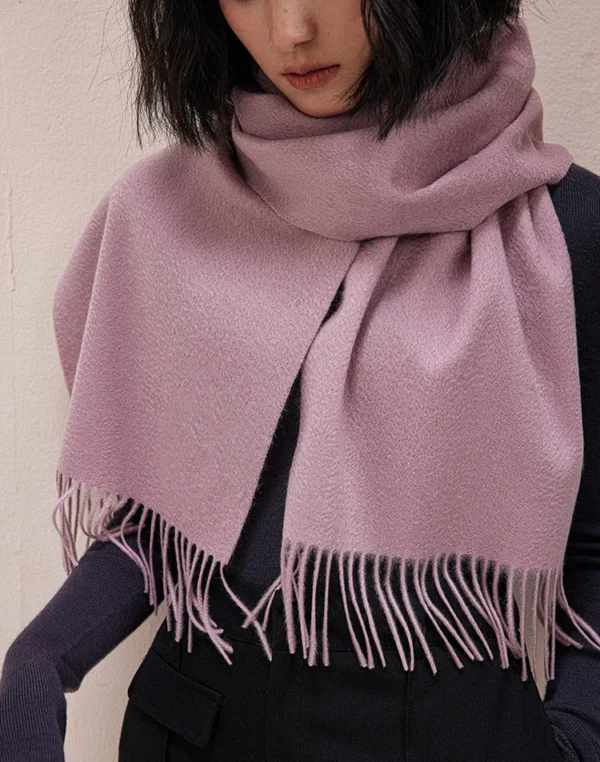
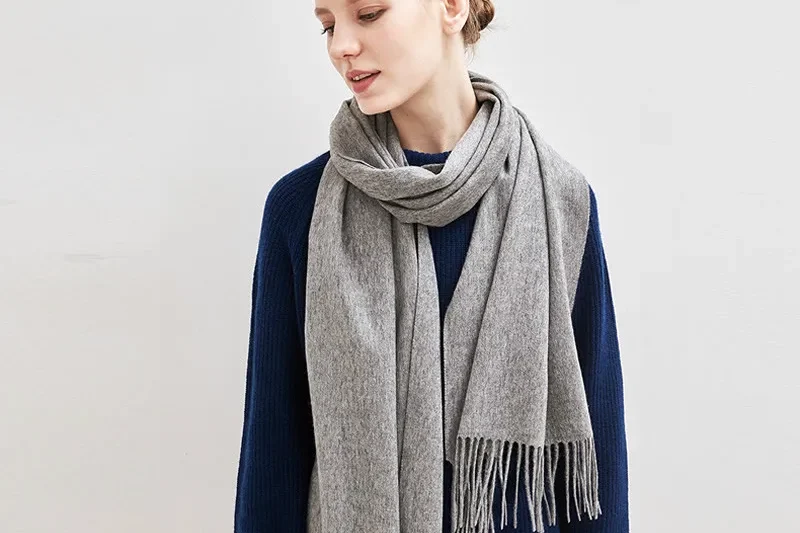
When a gust of wind blows at the subway entrance in winter and lifts the edge of your scarf, you will truly understand what “securely wrapped, non-itchy and non-sweaty” means. This scarf is made of fine and dense cashmere yarn, feeling like holding a warm cloud in your hand, with a natural drape that exudes a lazy and high-end vibe with just two casual wraps. It doesn’t overshadow your commuter coat and adds a gentle aura to your sweater on weekends . Thick yet not bulky, it won’t make you look bloated even when layered over a turtleneck. Available in low-saturation solid colors — oat grey, mist blue, warm apricot brown… each shade looks like it’s taken from an autumn and winter movie. After being washed twice, it remains as smooth as ever, without lint, shrinkage or deformation. The moment you wrap it around your neck, your body feels the warmth first, instead of enduring the cold with willpower. It’s not ostentatious, yet it makes people can’t help but take a second look — it turns out that affordability and texture can really coexist in one scarf.
About the author : Hans

Related posts
Popular products
-
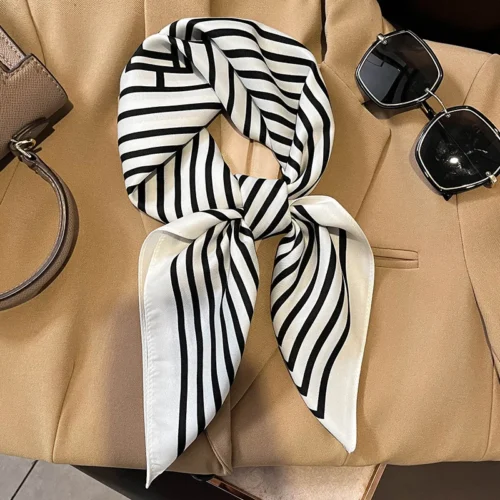 Plaid Silk Square Scarf Women Satin Neck Hair Tie Hijab
Price range: $3.78 through $4.43
Plaid Silk Square Scarf Women Satin Neck Hair Tie Hijab
Price range: $3.78 through $4.43
-
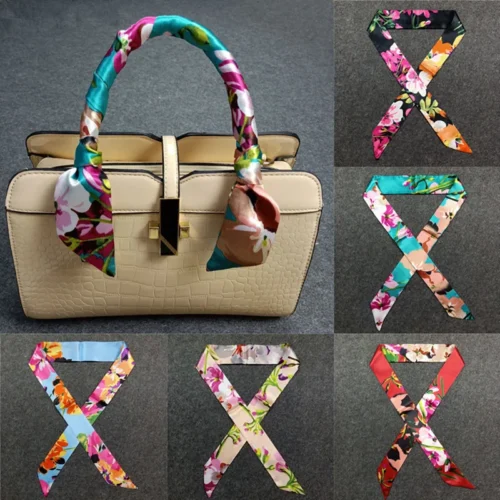 Silk Skinny Scarf Women Bag Ribbon Hairband Headband
Original price was: $1.98.$1.78Current price is: $1.78.
Silk Skinny Scarf Women Bag Ribbon Hairband Headband
Original price was: $1.98.$1.78Current price is: $1.78.
-
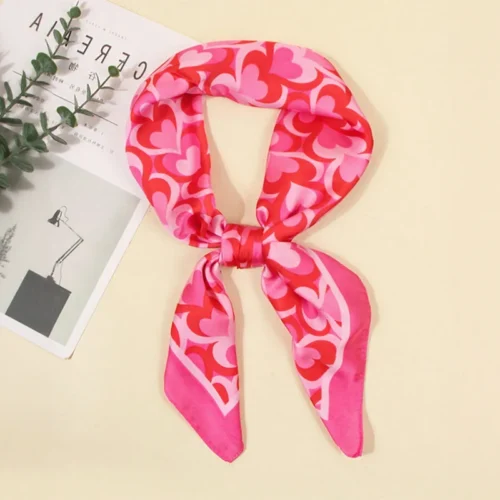 Silk Square Scarf Women Satin Hijab Hair Band Neckerchief
Original price was: $1.98.$1.78Current price is: $1.78.
Silk Square Scarf Women Satin Hijab Hair Band Neckerchief
Original price was: $1.98.$1.78Current price is: $1.78.
-
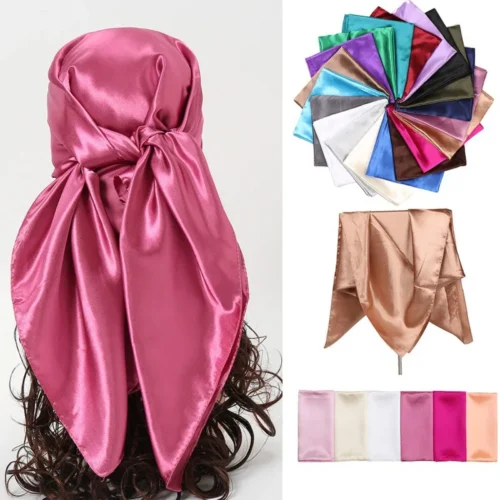 Silk Satin Square Scarf Women Solid Hijab Shawl
Original price was: $1.98.$1.78Current price is: $1.78.
Silk Satin Square Scarf Women Solid Hijab Shawl
Original price was: $1.98.$1.78Current price is: $1.78.
